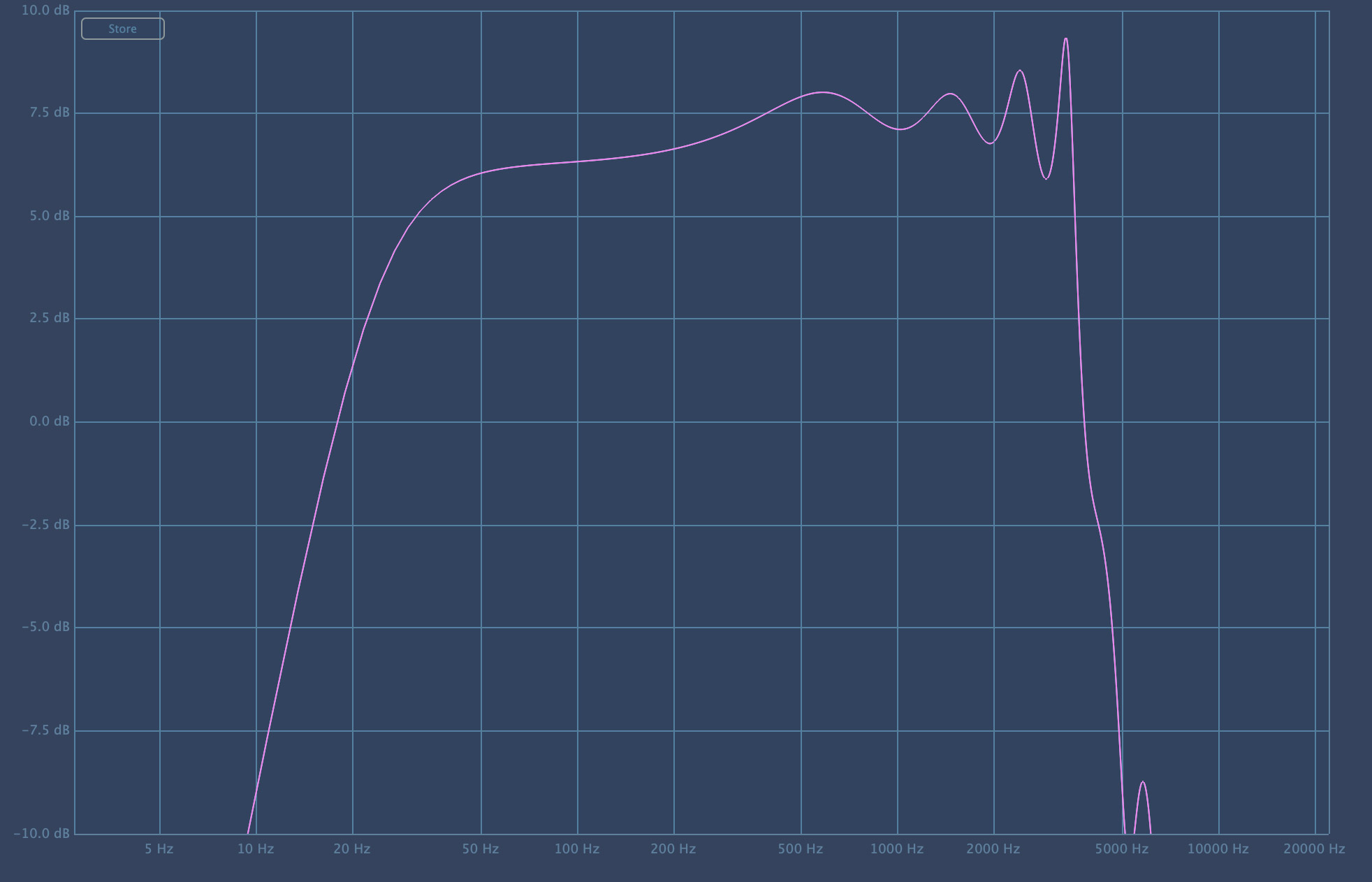
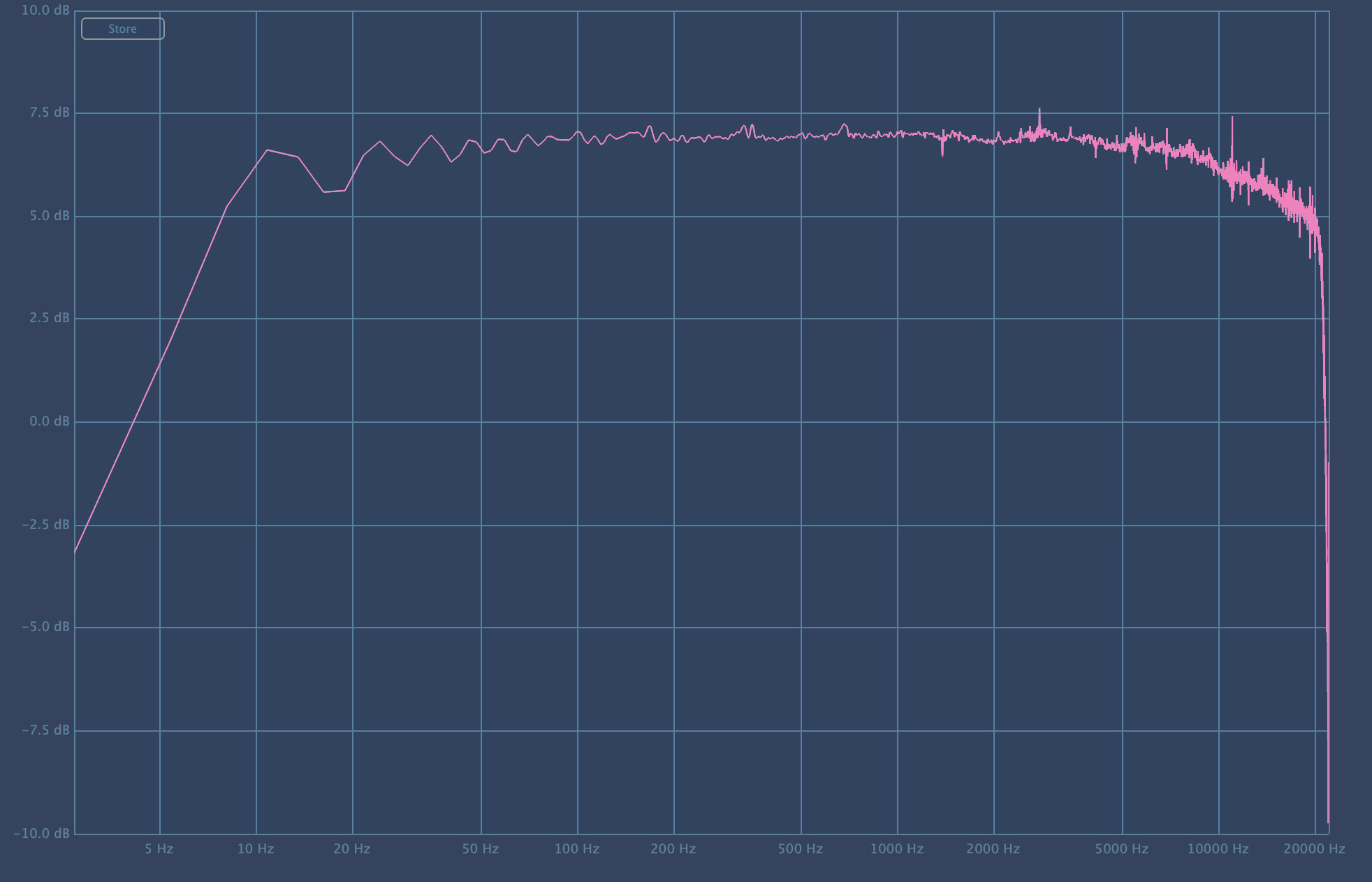
I’ve trained a couple of Neve preamp models with standard training haven’t been accurate. The frequency response is not even close.
Aida-X tends to trim the treble and low-end frequencies. I’m using the input.wav file that is recommended. The below there are the curve images. Is there something I’m overlooking?
If information is absent from a file (ie. Frequencies have been filtered off), you cannot just add it back in. Those frequencies are considered less essential and even considered noise or fizz by many. Though you can see where an entity has sculpted notches and humps into the original signal at more crucial frequencies. Low end has been added, but that can easily be rolled off or filtered out. This is perhaps a classic demonstration of what many “profiler” detractors would point out as one of the weakest attributes of captures and profiling in general. It is state based modeling, so by its nature less versatile than white or grey box modeling, which attempts to simulate audio devices on a more component by component basis, sonin theory one can include the tone stack topographies from the original amp/device, and ideally have it respond in a similar way. I would be more concerned with the particular “tone” the capturer dialed in (or out). Like I said, once the samples’ data has been removed from the file, it’s gone.
How good or accurate is the capture? That’s for the ear of the beholder to decide. Some might say it sounds better than the original. Try out a lot of captures, and you’re sure to find some that tickle your fancy. Concern about faithfulness to the donor amp?? It’s maybe worth considering that not many analog amps sound exactly alike, even among like models. If it’s super important to have the sound of a specific device, just may not be the tech approach for you. Although folks are arriving to make them better and more versatile continuously. (Sorry for the lengthy reply. DSP is deeeeeep)
I’m not new to this; I’ve modeled a lot of my own analog studio equipment. I’m very familiar with Neural Network technology, and definitely, this isn’t just for capturing guitar amps and pedals.
In fact, I’ve already experienced with NAM that capturing the sound characteristics of an amp is largely possible with this technology. Bottom-end and high frequencies might be unnecessary in guitar amps and pedals, but for analog consoles and other studio outboard gear, even the smallest detail is vital.
I successfully modeled my 500-rack equipment with NAM. And these frequency ranges can be successfully modeled there as well.
But I wanted to try Aida-X and see how close it can get. However, based on my measurements, let alone getting close, I see that even the frequency responses aren’t the same.
I’m just asking, aside from the Gitar amp and pedals, has anyone experienced a similar problem with other equipment before?
NOTE: I tried the pre_filter setting in the config file as None. But the same thing.
Didn’t seem like you were new. Absolutely the opposite. My point, lost in the verbosity: it’s up to you- how important the lost data is. Sort of a philosophical question, but also a psychoacoustics exercise - different tactics to tackle the same puzzle- how much is too much before it’s just no good. How abbreviated and diluted etc. can you make the format during the “distillation” process and still maintain what makes it unique and magic. Valeton is shrinking Nam into its’ own proprietary “.snap” format. They thought the amount was fine, obviously. Many seem to disagree. It is an interpretation of sorts intrinsically, so there is no wrong. Just wrong for you. You have to find your own line in the sand. And sorry, I don’t know of a way to improve already existing aidax files. I think you need to find the ones that you can live with. But as my wife would happily tell you, I’m wrong all the time. This is a case I’d be joyful to be mistaken about.